
What is Media Architecture?
Media architecture refers to the integration of digital media into the built environment. It transforms buildings and public spaces into platforms for communication, using screens, projections, sensors, and interactive technologies. These structures are not just static–they’re dynamic, responsive, and capable of storytelling.
This architectural approach lives at the intersection of design, technology, and urban experience. From massive LED facades to subtle responsive installations, media architecture makes buildings part of the digital dialogue.
Defining Characteristics
- Digital integration – Uses LED displays, projections, or embedded screens.
- Responsive systems – Interacts with real-time data, users, or environmental inputs.
- Multi-sensory design – Incorporates light, video, sound, and motion.
- Urban scale – Common in city centers, transit hubs, or cultural landmarks.
- Narrative potential – Tells stories, displays public art, or streams information.
Origins & History
Media Architecture emerged in the late 20th century with the rise of electronic billboards and dynamic signage. But it became a design movement in the 2000s, driven by advances in LED technology, computing power, and the rise of the “smart city” concept.
Architectural scholars and practitioners began to see these digital surfaces not as noise, but as new canvases–blending architecture with communication, interaction, and spectacle. Conferences like the Media Architecture Biennale and academic publications helped legitimize the field.
Notable Architects
Realities:United
Pioneers of media facades, including the iconic BIX facade.
Jason Bruges Studio
Specializes in responsive, interactive installations.
UNStudio
Merges digital systems with form and performance.
Important Works
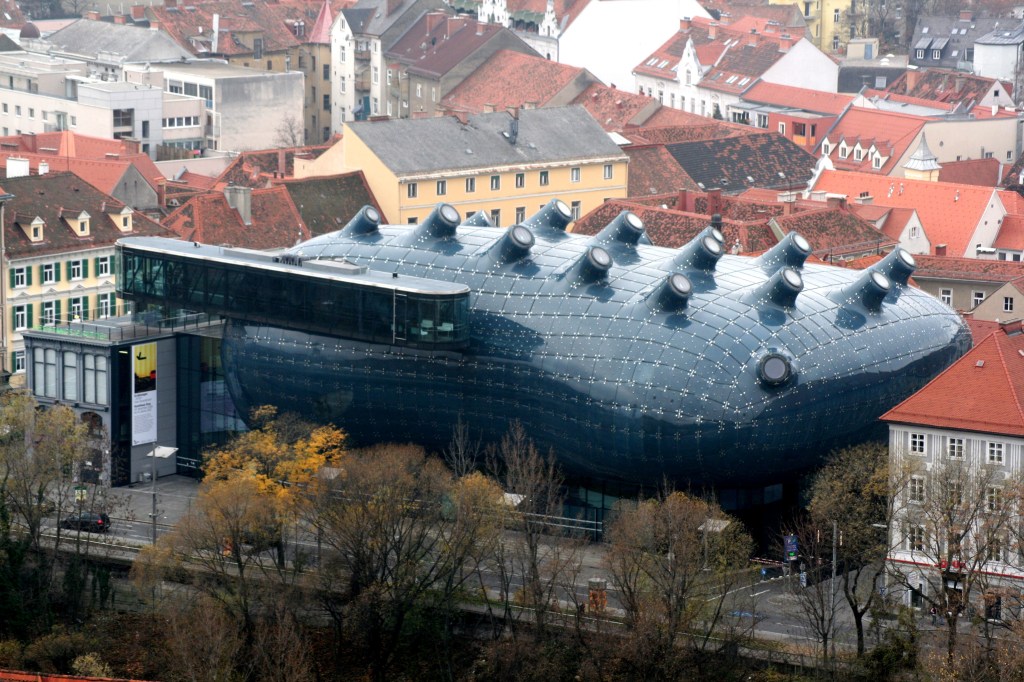
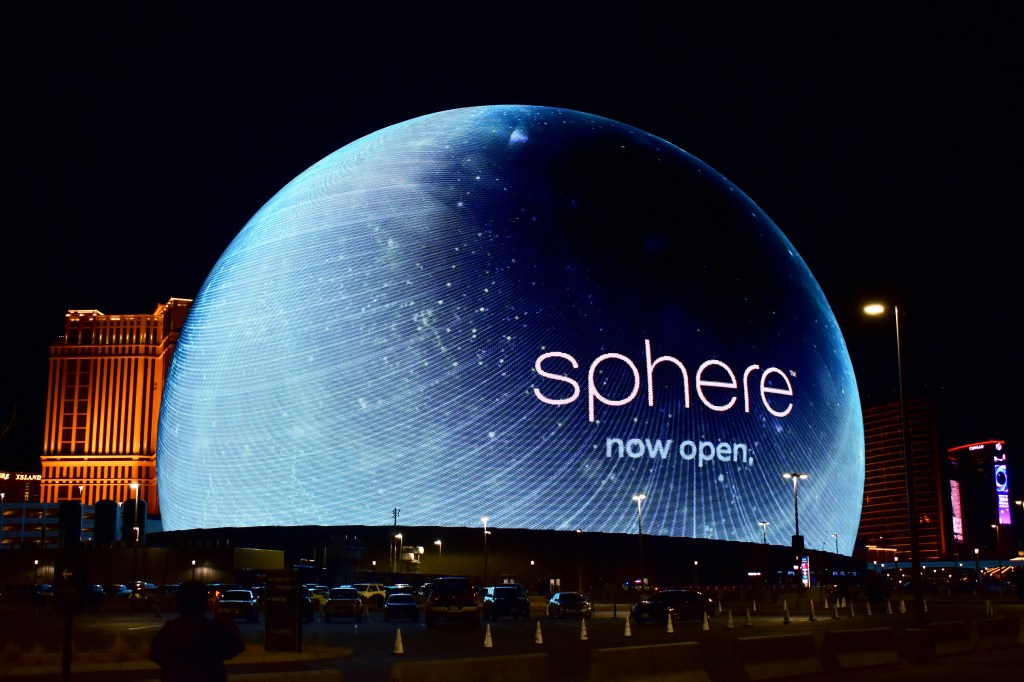
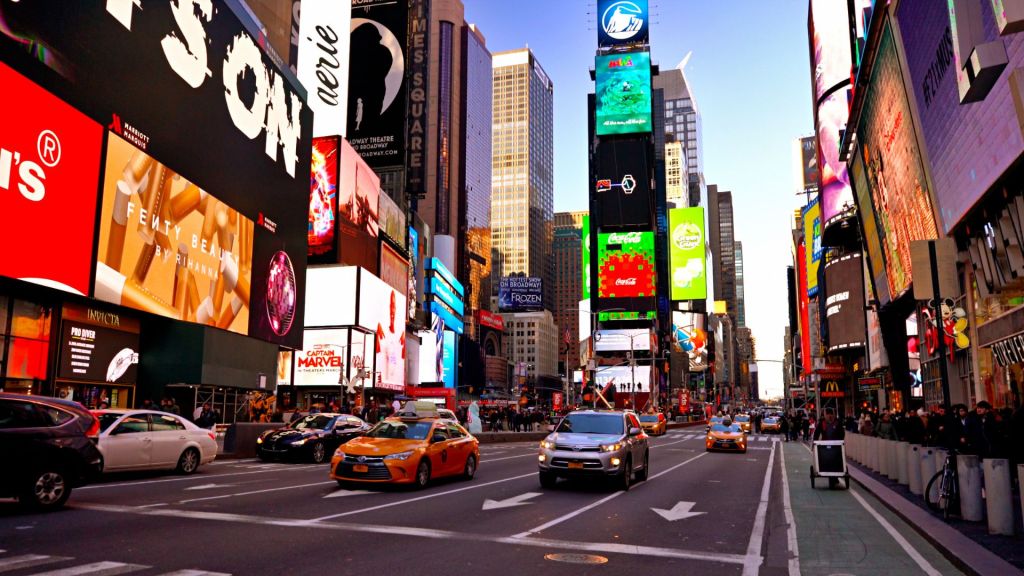
Legacy & Relevance
Media architecture has reshaped how cities communicate with their inhabitants. It gives buildings voice, presence, and personality. Whether through storytelling, advertising, environmental feedback, or artistic expression, media architecture is a key component of urban branding and smart infrastructure.
Its legacy lies not just in flashy facades, but in the way it encourages us to see architecture as an interface–a living system that responds, reflects, and engages.
Watch Our Videos
To explore this topic in more depth, check out our video on the All Things Architecture YouTube channel.
Learn more about media architecture with a discussion with former Disney Imagineer Eddie Sotto.
Further Resources
- The Media City by Scott McQuire
- “Media Architecture: Past, Present, and Future”
 All Things Architecture