
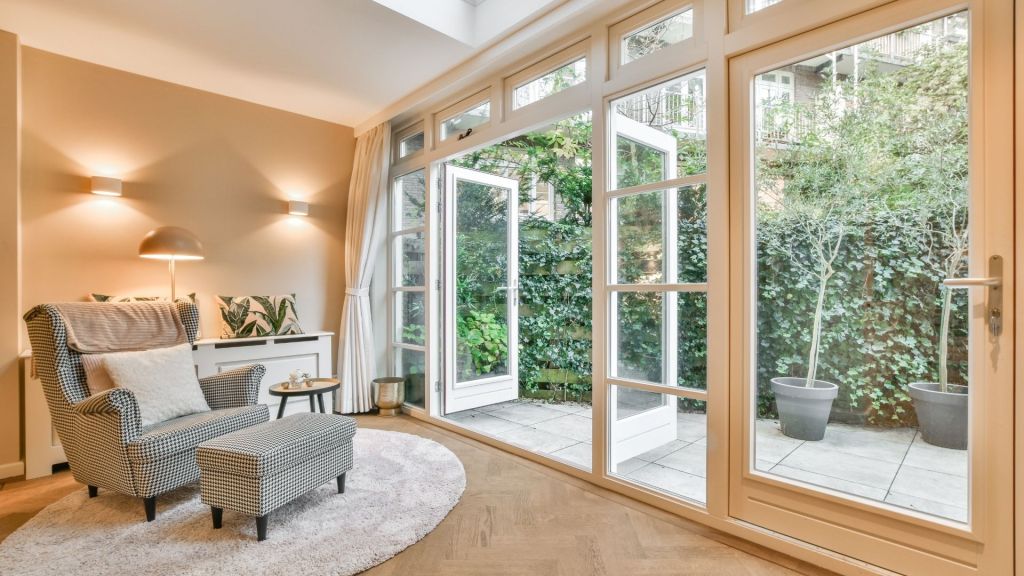
At first glance, the idea of downsizing can feel like loss — less space, fewer possessions, maybe even the end of a familiar chapter. But for many, it’s actually the beginning of something profoundly liberating. Whether it’s moving from a suburban house to a compact apartment, selling unused items, or simplifying commitments, downsizing can clear the way for financial flexibility, emotional ease, and a life that feels more intentionally lived.
In a Nutshell
- Freedom replaces clutter. Fewer things mean fewer obligations — to maintain, repair, and worry about.
- Financial control strengthens choice. Lower expenses open possibilities: travel, hobbies, education, or time off.
- New rhythms emerge. Simpler living frees time and energy for experiences, relationships, and creativity.
Financial Flexibility: Turning Less Into More
Downsizing isn’t just about shrinking your living space; it’s about expanding your options. By reducing housing costs, utility bills, and maintenance expenses, people often discover a sense of financial elasticity they didn’t know they had. That flexibility can reduce stress, build savings, or fund long-postponed dreams — like starting a small business or taking a sabbatical year.
Even modest monthly savings can compound into major life improvements. A smaller home, a single car, or fewer possessions can each trim hundreds from monthly budgets. That money doesn’t just sit idle — it starts to work for you, buying time and freedom instead of things.
The Practical Upside of Downsizing
| Benefit Area | Before Downsizing | After Downsizing | Practical Result |
| Monthly Housing Costs | Mortgage or rent consumes 35–40% of income | Reduced to 20–25% | Greater savings & flexibility |
| Maintenance & Repairs | Frequent upkeep, costly renovations | Minimal maintenance | Time and money freed |
| Utilities & Energy Use | High energy bills, excess consumption | Lower consumption | Smaller carbon footprint |
| Emotional Load | Clutter, responsibility fatigue | Calm, intentional space | Improved mental clarity |
The Emotional Dividend
There’s a quiet confidence that comes from needing less. Many people describe it as “emotional decluttering.” The process can be challenging — sorting, selling, letting go — but on the other side is a lighter kind of living. A smaller home often feels more manageable and peaceful, especially when it reflects what really matters.
This isn’t minimalism for its own sake; it’s a recalibration of value. It’s learning to trade square footage for serenity, possessions for presence.
How to Start Simplifying
- Audit your living space. Identify rooms, items, or routines that add no real value.
- Set one clear goal. Lower expenses by 15%? Reduce clutter by half? Make it measurable.
- Start with one category. Clothes, furniture, or kitchen gear — don’t tackle everything at once.
- Sell or donate consciously. Redirect value by giving items a second life elsewhere.
- Plan the transition. If moving, design your new layout around what you actually use.
- Celebrate each reduction. Downsizing isn’t deprivation — it’s intentional realignment.
Investing in Your Next Chapter
For many who downsize, a surprising opportunity arises: the chance to reinvent through education or skill-building. The money and time freed up from a lower cost of living can be redirected into personal growth — such as pursuing an online degree to open new career paths.
Flexible, accredited programs allow learners to earn a degree from anywhere, fitting study around work or family life. Earning a business degree can be especially powerful, equipping you with practical skills in accounting, communications, management, and strategy — all tools that help turn your “fresh start” into a sustainable, empowered future. To learn more, explore their business bachelor’s degree options online.
When Less Becomes More
What begins as a financial decision often ripples into deeper life changes. People who downsize commonly report:
- Sharper focus on relationships and experiences.
- Reduced anxiety from fewer financial burdens.
- More energy for creativity, travel, or volunteering.
- A newfound sense of control over their direction and identity.
Downsizing, in this sense, isn’t about retreat — it’s about reclaiming. It’s a conscious trade of accumulation for autonomy.
Making the Transition Smooth
If you’re thinking about simplifying your life or moving to a smaller space, check out The Minimalists. It offers thoughtful essays, practical guides, and free tools for decluttering and mindful living. Their philosophy—“Love people, use things”—perfectly complements the spirit of downsizing.
Frequently Asked Questions
Q: Is downsizing only for retirees or empty nesters?
Not at all. Many young professionals and families are embracing smaller living to prioritize freedom over possessions.
Q: What if I regret letting go of something?
Start small. You can always pause before major changes. Over time, most people find they miss less than they expect.
Q: Does downsizing mean sacrificing comfort?
Quite the opposite. Comfort often increases when you align your space and lifestyle with your true needs and values.
Q: How can I make downsizing financially strategic?
Treat it like a project. Calculate projected savings, earmark funds for debt repayment or education, and set milestones to stay accountable.
A Clearer Horizon
Downsizing is not just a smaller home — it’s a bigger horizon. It’s a decision to live with greater clarity, purpose, and flexibility. By choosing what to release, you make room for what’s next: financial freedom, personal growth, and a life that feels light but full.
Sometimes the best way to start over is to start smaller — and to realize that letting go isn’t losing; it’s gaining space for what’s waiting to grow.
 All Things Architecture
Leave a comment